Michael Shewarega
I'm a software engineer who builds interactive, product-facing tools and applied-ML systems that turn complex data into something people can actually see, explore, and use.
I hold an M.Sc. and B.Sc. in Electrical & Computer Engineering from RWTH Aachen University, with an exchange at TU Delft. I spent much of my master's at Harvard SEAS and Harvard Medical School, where I wrote my thesis and built interactive frameworks for large, complex datasets such as brain networks.
Before that, I built full-stack systems at Stryker and prototyped industrial applications at Fraunhofer for clients including P&G and Airbus.
Outside of work, I enjoy tennis, basketball, piano, books/movies, and riddles.
Projects
SOLID Insights
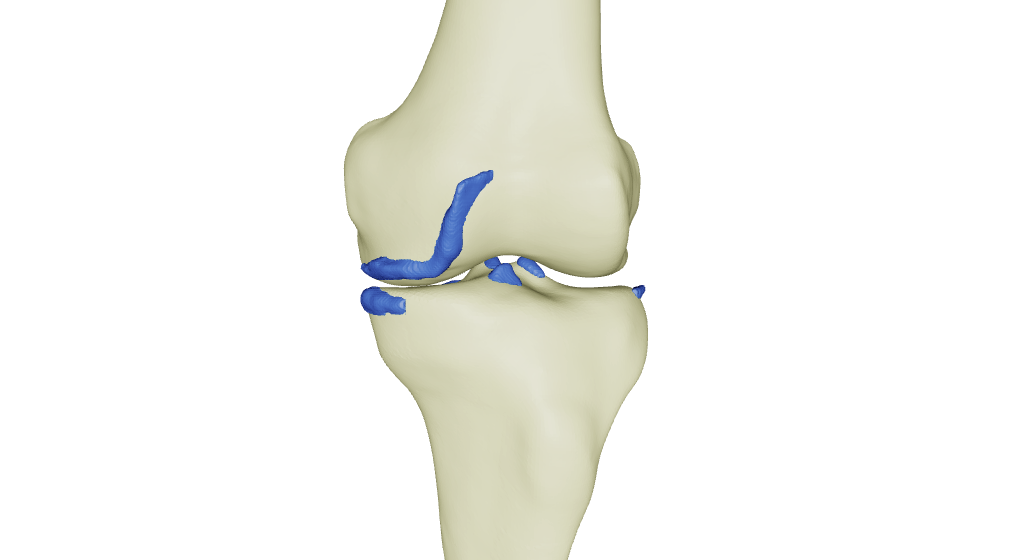
2023A mobile application for surgeons to access patient data and interactive 3D bone models, featuring secure user authentication, real-time status tracking, and structured surgical procedure insights.
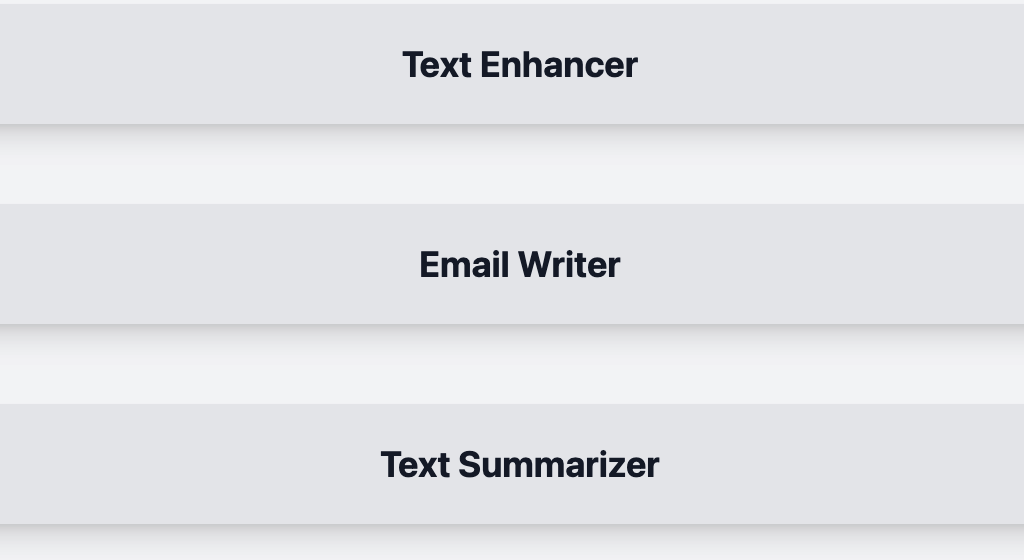
Personal Assistant
2023A web application designed to help users — especially my mom — generate summaries, write texts, and compose emails from notes.
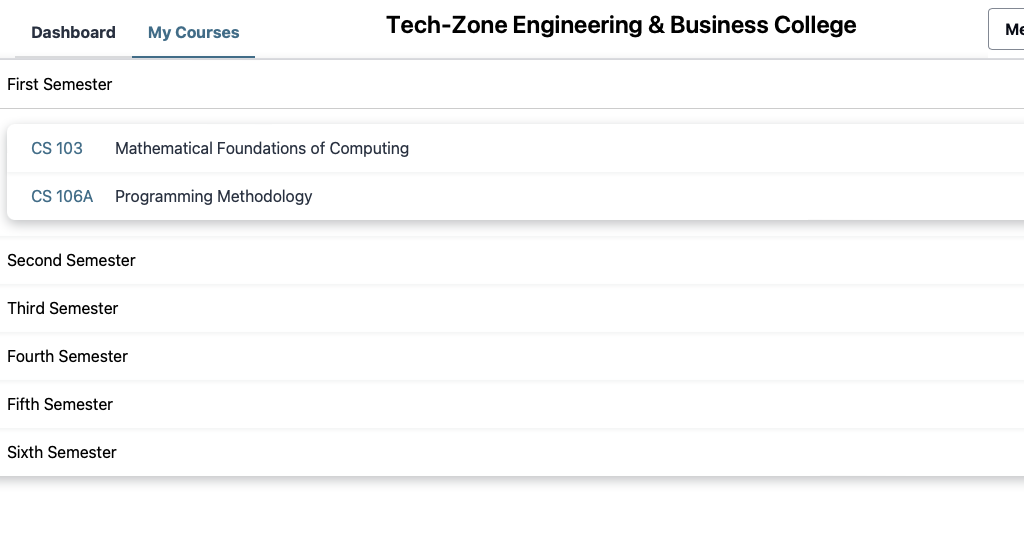
TechZone College
ongoing projectA web application that functions as a learning platform for TechZone College students and teachers in Ethiopia to access and share study materials.